
 Baby feeding
 15 to 20 minutes to plan the first meal and organize basic safety precautions
 5 steps
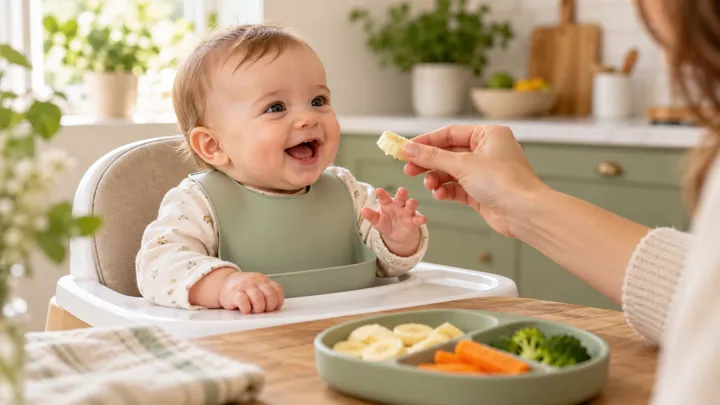
Complementary feeding generally begins around 6 months, while breastfeeding or formula feeding continues as appropriate. Offer a variety of soft, fork-mashed foods in small amounts, with your baby seated and supervised. Keep mealtimes relaxed and respect hunger and fullness cues. Avoid added sugar, ultra-processed foods, honey before age one, and foods whose shape or texture creates a choking hazard.
When to Start Introducing Solid Foods
Complementary feeding is generally recommended from 6 months of age. Until then, exclusive breastfeeding is recommended; afterward, other foods complement breast milk, which remains important. If your baby receives formula, continue milk feeding according to the plan agreed with a healthcare professional.
Your baby's development and health matter. Prematurity, motor differences, swallowing difficulties, or other conditions may require individual guidance on timing, positioning, and textures. Bring your questions to routine visits and ask how to adapt the recommendations.
How to Choose and Prepare First Foods
Choose a variety of fresh or minimally processed foods. Main meals can include rice or potatoes, beans, vegetables, and well-cooked meat, chicken, fish, or eggs, in line with your family's diet. Ripe fruit can be offered at suitable times. Special recipes are not necessary for every meal, but foods must be safe and match your baby's abilities.
At first, mash foods with a fork so they remain soft but textured. Avoid turning everything into a liquid with a blender, mixer, or sieve. As your baby develops, gradually move toward chopped, shredded, or safely sized pieces. If chewing or swallowing is difficult, do not force progression; seek advice.
How to Offer Food Without Pressure
Seat your baby with support and offer food when they are awake and calm. Put a little on a plate or spoon and allow them to look, touch, and explore. Early on, babies may eat very little as they learn new tastes, smells, and textures. Mealtimes support development, not just calorie intake.
Watch hunger and fullness cues. Opening the mouth and leaning toward food may show interest; closing the mouth, turning away, or losing interest may mean they are done. Do not force spoonfuls, use screens as distractions, or turn refusal into a struggle. Try again another time.
Water, Milk, and Foods to Avoid
Once complementary feeding starts, offer safe drinking water in a cup with meals. Avoid juices, sodas, teas, and sweetened drinks. Continue breastfeeding; if your baby uses formula, prepare and offer it according to professional advice rather than abruptly replacing milk feeds with solids.
Brazil's Ministry of Health advises against added sugar or foods containing it before age 2 and recommends avoiding ultra-processed foods. Do not give honey to children under 1 because it can contain spores associated with botulism. Limit salt, avoid salty seasoning mixes, and use natural herbs and seasonings for flavor.
Reduce Choking Risks at Mealtimes
Keep your baby seated with their torso supported and an attentive adult beside them throughout the meal. Never feed a baby while lying down, walking, playing, or riding in a moving vehicle. Choose soft textures and cuts suited to their abilities. Whole nuts, popcorn, grapes, cherry tomatoes, and other hard, small, or round foods are choking hazards and should not be offered whole.
Frequent coughing while eating, trouble swallowing, or repeated choking should not be managed by trial and error with recipes alone. Stop offering food if your baby cannot eat safely and seek assessment at a primary care clinic or with a pediatrician. Some children need specialized guidance for chewing or swallowing.
Hygiene, Routine, and Follow-Up
Wash your hands before preparing or offering food, clean utensils and produce, and cook animal products thoroughly. Prepare food on a clean surface and store leftovers safely. Good hygiene reduces contamination risks while your baby begins trying different foods.
Arrange calm meals with the family when possible. Strict schedules are unnecessary at first, but a predictable routine can support learning. Monitor growth and development at appointments and discuss iron supplementation or other needs; do not start supplements on your own.
First Steps in Complementary Feeding
Start gradually, in a safe seated position, with variety and respect for your baby's pace.
-
1
Confirm the timing with your healthcare team
At the 6-month visit, discuss starting solids and mention prematurity, difficulty sitting with support, poor head control, swallowing difficulties, or any health condition. The team can adapt food texture, positioning, and follow-up. Follow individualized advice rather than a generic schedule.
-
2
Prepare a calm, supervised meal
Choose a time when your baby is awake and relaxed. Seat them with their torso supported and keep an attentive adult beside them throughout the meal. Offer a small amount on a plate or spoon, or let them explore safely prepared finger foods. Pause if your baby is sleepy, lying down, or very upset.
-
3
Offer soft, varied foods
Begin with soft, fork-mashed foods such as ripe banana, well-cooked squash, or mashed beans. For main meals, combine food groups such as rice or potatoes, beans, vegetables, and well-cooked meat or egg. Food should retain texture rather than become liquid; avoid blenders, mixers, and sieves.
-
4
Respect hunger and fullness
Offer a small amount and watch your baby's response. Touching, smelling, tasting little, or initially refusing food are normal parts of learning. Try again at another meal without pressure, screens, or forcing food into their mouth. Stop when your baby turns away, closes their mouth, or signals they are finished.
-
5
Continue milk feeds and monitor adjustment
Offer safe drinking water in a cup with meals, while continuing breast milk or formula as advised. Do not abruptly replace milk feeds with solid food or stop feeds without guidance. If your baby repeatedly coughs, chokes, cannot swallow, or consistently refuses food, stop and consult the healthcare team.
Common Questions When Starting Solids
Important Tips

Eat with your baby when possible; watching family members can make mealtimes an opportunity for learning and connection.
Prepare small portions and let your baby explore the food, even if clothes or the table get messy.
Refusing a food the first time does not mean your baby will never accept it. Offer it again another day without pressure.
Use your child's health record and routine healthcare visits to discuss growth, feeding, supplements, and individual needs.
Frequently asked questions
Quick answers to common questions.
At what age should babies start solid foods?
Complementary feeding generally begins at 6 months while breastfeeding continues. If your baby was born prematurely, has difficulty swallowing, developmental differences, or a medical condition, agree on timing and textures with their healthcare team.
What texture should a baby's first foods have?
Start with soft foods mashed with a fork, then gradually progress to thicker textures, small pieces, or shredded foods as your baby develops. Do not blend or strain all the food.
Should my baby continue breastfeeding after starting solids?
Yes. Breast milk remains important after 6 months and can continue alongside complementary foods until age 2 or beyond, as desired by mother and child. If your baby uses formula, follow your healthcare professional's advice.
When should I offer water to a baby who has started solids?
Offer safe drinking water in a cup with meals and throughout the day. Do not replace water with juice, soda, tea, or sweetened drinks. Before 6 months, follow exclusive breastfeeding guidance and discuss special needs with your healthcare team.
Can I add sugar or honey to my baby's food?
No. Brazil's Ministry of Health advises against sugar or foods containing added sugar before age 2. Avoid ultra-processed foods such as cookies, chips, and soda. Never give honey to babies under 1 year because of the risk of botulism.
How can I reduce choking risks when introducing solids?
Keep your baby seated and supervised by an attentive adult. Offer soft foods and cut potential choking hazards into safe shapes. Avoid whole hard or round foods such as nuts, popcorn, whole grapes, and whole cherry tomatoes. Seek professional advice for chewing or swallowing difficulties.
Related content
More practical solutions in Baby feeding.

Sources consulted
- Brazilian Ministry of Health — Healthy Eating in Early Childhood
- Brazilian Ministry of Health — Dietary Guidelines for Brazilian Children Under 2
- Brazilian Ministry of Health — Guidelines and Recommendations for Children Under 2
- Brazilian Ministry of Health — Botulism
- Brazilian Ministry of Health — Child Healthcare Guidance